Discover amazing Bay of Fundy facts, including the world’s highest tides, unique wildlife, and geological wonders that make this location truly extraordinary.
Bay of Fundy facts reveal one of the most powerful natural phenomena on Earth, where tides rise and fall higher than anywhere else in the world. Located between Canada’s Nova Scotia and New Brunswick, this remarkable bay is shaped by unique geography and ocean forces. From massive tidal movements to rich marine life and ancient landscapes, these Bay of Fundy facts will show why this destination is considered one of the greatest natural wonders in North America.
If you are fascinated by coastal environments, these harbor of rio de janeiro facts highlight another stunning shoreline setting.
Where Is the Bay of Fundy Located?
One of the most basic Bay of Fundy facts is its location.
The Bay of Fundy lies on the east coast of North America, between the Canadian provinces of Nova Scotia and New Brunswick, with a small section touching Maine in the United States.
It connects to the Atlantic Ocean through the Gulf of Maine.
It Has the Highest Tides in the World
The most famous of all Bay of Fundy facts is its record-breaking tides.
The tidal range can reach up to 16 metres, making it the highest in the world.
In comparison, most coastal areas around the world experience tides of only 1 to 2 metres.
Billions of Tonnes of Water Move Daily
One of the most powerful Bay of Fundy facts is the sheer volume of water.
Around 100 billion tonnes of seawater flow in and out of the bay during each tidal cycle.
This is more than the combined flow of all the world’s rivers over the same period.
You can also explore rock formations shaped by erosion in these durdle door facts.
The Bay Acts Like a Natural Funnel
A key reason behind these extreme tides is the bay’s shape.
Bay of Fundy facts show that its long, narrowing funnel structure amplifies incoming ocean tides, causing them to rise dramatically as they move inland.
Tides Change Every 6 Hours
Another interesting Bay of Fundy facts detail is how quickly the landscape changes.
The tides rise and fall roughly every 6 hours and 13 minutes, creating two high tides and two low tides each day.
This means the same location can look completely different within hours.
You Can Walk on the Ocean Floor
One of the most unique Bay of Fundy facts is the ability to walk on the seabed.
At low tide, visitors can explore vast stretches of exposed ocean floor, which are later completely submerged under water.
The Area Is Rich in Marine Life
Bay of Fundy facts also highlight its biodiversity.
The region supports whales, dolphins, seabirds, and countless marine species. It is one of the best places in the world for whale watching.
According to National Geographic, the bay’s nutrient-rich waters make it a thriving ecosystem.

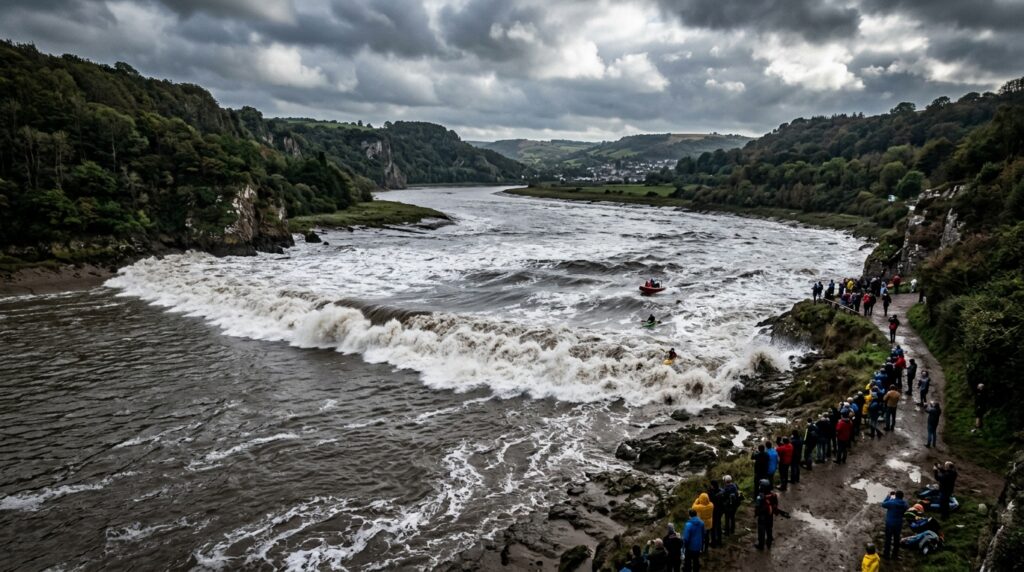
It Features Powerful Tidal Bores
Another fascinating Bay of Fundy facts phenomenon is the tidal bore.
This occurs when incoming tides push upriver against the current, creating a visible wave that travels upstream.
Some tidal bores are strong enough to surf.
The Region Contains UNESCO Geoparks
Bay of Fundy facts include its global scientific importance.
The Cliffs of Fundy area is recognised as a UNESCO Global Geopark due to its geological significance and fossil record.
The Landscape Is Constantly Changing
Erosion plays a major role in shaping the bay.
Many Bay of Fundy facts show how tides continuously reshape cliffs, caves, and coastal formations, creating new landscapes over time.
The Bay Is Over 150 Kilometres Long
Another scale-related Bay of Fundy facts point is its size.
The bay stretches approximately 151 kilometres in length, making it one of the largest coastal features in the region.
It Is Home to Unique Mudflats
The powerful tides create vast mudflats.
These mudflats are among the largest in North America and provide important feeding grounds for migratory birds.
The Bay Has a Long Geological History
Bay of Fundy facts also reach back millions of years.
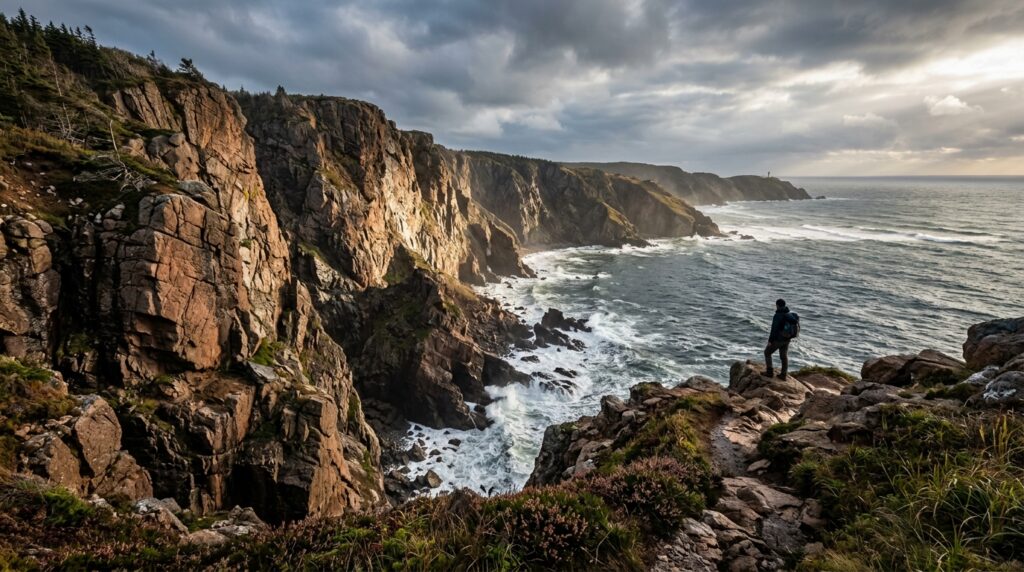
The region began forming around 200 million years ago as continents shifted and the Atlantic Ocean developed.
There Are Strong Currents and Whirlpools
Another lesser-known Bay of Fundy facts detail is its extreme water movement.
The tides create powerful currents, whirlpools, and rapids in certain areas, making navigation challenging.
It Is One of North America’s Natural Wonders
Finally, one of the most impressive Bay of Fundy facts is its recognition.
The bay is often listed as one of the natural wonders of North America due to its unique tidal system and landscapes.
Related Facts You Might Enjoy
The Bay of Fundy is famous for its powerful tides, but it is just one example of how water shapes the landscape. You can explore coastal formations in these durdle door facts, or discover scenic harbours in these harbor of Rio de Janeiro facts. For a different type of landscape, these Grand Canyon facts are worth exploring. Find more in our places and landmarks facts hub.
FAQ Section
Why are the Bay of Fundy tides so high?
The bay’s funnel shape and natural tidal resonance amplify incoming ocean tides, causing them to rise much higher than normal.
Where is the Bay of Fundy located?
It is located on the east coast of Canada between Nova Scotia and New Brunswick, with part extending to Maine in the United States.
How often do the tides change?
The tides change approximately every 6 hours, creating two high tides and two low tides each day.
Can you visit the Bay of Fundy?
Yes, it is a popular tourist destination known for whale watching, coastal walks, and exploring the ocean floor at low tide.
Conclusion
Bay of Fundy facts reveal a powerful and ever-changing natural wonder shaped by the highest tides on Earth. From massive water movement to rich ecosystems and dramatic landscapes, this unique location continues to amaze visitors and scientists alike.